Another Monsanto Protection Act in the Works

Yet another government protection racket benefiting Monsanto is in play. Source is linked in the title:

Pending Chemical Bill Could Protect Monsanto from Lawsuits

Ongoing congressional discussions about chemical oversight legislation could determine whether Monsanto should be forced to pay hundreds of millions over its production of now-banned industrial chemicals.

The New York Times reports that the House version of a bill to revise the outdated Toxic Substances Control Act specifically targets legal liability for polychlorinated biphenyls, or PCBs.

PCBs had a wide variety of industrial uses as a fire retardant, including in production of paints, pesticides and paper. But the chemicals were also linked to environmental concerns and severe health problems and were banned in the 1970s.

Monsanto produced nearly all PCBs over the course of more than four decades, and recent litigation over the chemicals has skyrocketed — from individuals dealing with health complications to school districts and municipalities with crumbling PCB-laden buildings.

In addition, six cities are suing the agrichemical giant over the costs to clean up PCB pollution.

But a provision inserted in the House version of the chemical bill stipulates that past EPA regulations would disqualify legal claims — and specifically referenced agency restrictions on PCBs.

That, the Times reported, could allow Monsanto attorneys to seek dismissal of PCB-related lawsuits. An attorney representing Monsanto in Texas federal court cited the language during a case in November.

Republican aides denied that the provision was added on Monsanto’s behalf but did not offer further details in the report; Monsanto told the Times that the company did not ask for it and that, regardless, it is not responsible for improper disposal of PCBs.

Numerous states, meanwhile, also worry that the House and Senate versions of the chemical bill would, in different ways, delay or prohibit state restrictions of chemicals under EPA review.

It remains to be seen what language will emerge in a final bill, but despite the numerous complaints, seemingly all involved in the debate despise the Toxic Substances Control Act and want an overhaul to pass.

DARE Removes Cannabis As A Gateway Drug

Psssst. Hey guys, guess what? The veil of fear and loathing around cannabis is getting shredded. There is just too much evidence that it is actually good for the vast majority of people coming to light. I guess I need to be more patient and remember that it took the FDA 30 years to admit that vitamin c can help fight off the common cold. Why should it be surprising that it takes almost 80 years to get any quasi-governmental acknowledgement that cannabis isn’t really a drug that drives one to prostitution and heroin?

But we still have the issue of whom we trust with our health care and decisions about what we ingest and to whom we give authority over our potential ingestion of this plant. Hemp seed alone is so amazingly beneficial it’s still a wonder that governments have gotten away with controlling it. Unfortunately, it looks like the corporate control and the “Reefer Madness” idiom we have been conditioned to accepting is still winning.

We do not need to have things that are so potentially beneficial for us (raw milk, food directly from the farmer, cannabis, sassafras) regulated and controlled by nameless faceless bureaucracies and legal systems. If we allow the powers that be to control our access to food, education, news, medicine, information(for example, the massive assault on the statement of evidenced benefits from essential oils) and the sharing of these things, then we may as well ask for permission to breathe as well. Potentially, they are already lined up for the license to breathe via the carbon tax mechanism and CO2 as a “dangerous emission”.

In my state, Missouri, we have two initiatives gathering signatures for the ballot in November. One of those (New Approach Missouri or NAM) is not changing the schedule of cannabis, thereby leaving it in the federal realm of a schedule 1 controlled substance that could cause you to lose your right to keep and bear arms should you get a prescription.  The other initiative, (Missouri Cannabis Restoration and Protection Act or MCRPA) changes that scheduling and does not allow the medical industrial complex further control over your health decisions. The problem is that the controlled and legally dangerous initiative has better organization and funding than the fully grass roots initiative. So, we are likely to get something that will only really benefit a few and keep power and money in the hands of the medical industrial complex, the state and the court system, and prevent people from helping themselves and each other.

Here is an article that pretty well reflects my opinion, and let’s us know about the issue with DARE’s policy change:

No More Pretending: D.A.R.E. Says Cannabis No Longer A Gateway Drug

I don’t smoke pot, but if I had a medical condition that warranted its use, I would use it without a doubt. I probably would not smoke it as I don’t want to inhale smoke into my lungs.  I would, however, find another way to reap all of its amazing therapeutic benefits, such as juicing, capsules, or using its potent essential oil.

I must admit that I would even risk being arrested for the sake of taking responsibility for my health. I am a mother with three children, and if using cannabis effectively allowed me to continue to be a mother… I would not refuse it.

There is far too much compounding scientific evidence  (see below) to support its therapeutic value, and besides… it is natural,  who can argue with that?

As more and more states (23 to be exact, plus DC) legalize the medicinal use of cannabis, the pressure is really on the federal government to loosen their restrictions and classification of this herb.

Humans have cultivated and used the flowering tops of the female cannabis plant, known colloquially as marijuana, since history was recorded. Archaeologists in Central Asia even found over two pounds of cannabis in a 2,700-year-old grave of a shaman. Written and pictorial evidence of cannabis use is scattered throughout numerous cultures, indicating a wide acceptance and use of the plant for thousands of years.

“The D.A.R.E. Program and Gateway Drugs”

Most recently, albeit rather quietly, the Drug Abuse Resistance Education Program

(D.A.R.E.), one of the biggest organized anti-drug groups in the world, erased marijuana from their list of “gateway” drugs. There was no big fanfare, no news conference, nothing. Marijuana simply disappeared off the list on their website, which still contains tobacco and alcohol.

The gateway theory basically states that people who start using “soft” substances like tobacco, alcohol and marijuana will move on to “hard” drugs like cocaine or heroin. For years, the D.A.R.E. program has been teaching that marijuana along with alcohol and tobacco are very dangerous gateway drugs. Two outta three ain’t bad, but there has been a tremendous amount of miseducation taking place. Here is what the D.A.R.E. website had to say about marijuana in 2014:

“While the drug [marijuana] is being legalized in some states for medicinal and, in some cases, recreational purposes, there are many experts who still consider it the path to a life of ruin.”

No need to look at the past, however. I celebrate, along with many others, the fact that the program has taken this step to help end marijuana propaganda that has been going on for a very long time. I am glad that they were bold enough to get off the cannabis-bashing bandwagon and acknowledge what science supports.

Less ammunition for those against legalization 

The disappearance of cannabis from the list gives those opposed to legalization of the plant a much smaller platform upon which to stand. Sorry to disarm you Debbie Wasserman Schultz.  Schultz, Democratic National Committee chair described pot as a dangerous gateway drug in an interview not too long ago. Here is what she had to say.

“I just don’t think we should legalize more mind-altering substances if we want to make it less likely that people travel down the path toward using drugs,” Schultz told The New York Times. “We have had a resurgence of drug use instead of a decline. There is a huge heroin epidemic.”

But she was actually far off course, studies show that the marijuana-gateway theory is wrong, hands down. Even the National Institute on Drug Abuse reports that most people who use cannabis don’t move on to harder or more dangerous substances. Sadly enough, The Intercept reports that Schultz has been badmouthing cannabis while accepting generous campaign donations from Big Alcohol and Big Tobacco. Now that makes a lot of sense, doesn’t it? 

Drug classification remains 

Although D.A.R.E. has made a courageous and historic stand by removing cannabis from their gateway list, federal prohibitions outlawing the therapeutic and recreational use of cannabis still remain. These restrictions were first imposed by Congress with the Marijuana Tax Act of 1937. Later, the plant’s organic compounds (cannabinoids) were classified as a Schedule I substance under the Controlled Substances Act of 1970.

This classification puts the plant in the same pool as heroin and states that cannabis possesses “a high potential for abuse… no currently accepted medical use… [and] a lack of accepted safety for the use of the drug… under medical supervision.”

In contrast, cocaine and methamphetamine, which are illegal for recreational use, may be consumed under a doctor’s supervision and are classified as Schedule II drugs. Examples of Schedule III and IV drugs include anabolic steroids and Valium. Analgesics that contain codeine are defined by law as Schedule V drugs, the most lenient classification.

Therapeutic value

Federal lawmakers continue to use the dated drug classification as a means to defend criminalization of marijuana. However, there appears to be very little scientific basis for the categorization of the plant. As its prohibition has passed 75 years, researchers continue to study the therapeutic properties of cannabis.

There are over 20,000 published reviews and studies in scientific literature that pertain to the cannabis plant and its cannabinoids, almost one-third of these have been published in the last four years. A keyword search on PubMed Central (the U.S. government library of peer-reviewed scientific research) shows 2,100 studies alone since 2011.

Joycelyn Elders, MD, former U.S. Surgeon General, wrote the following in a March 26, 2004 article titled “Myths About Medical Marijuana,” published in the Providence Journal:

“The evidence is overwhelming that marijuana can relieve certain types of pain, nausea, vomiting and other symptoms caused by such illnesses as multiple sclerosis, cancer and AIDS — or by the harsh drugs sometimes used to treat them. And it can do so with remarkable safety. Indeed, marijuana is less toxic than many of the drugs that physicians prescribe every day.”

Ray Cavanaugh, PhD, national director of the American Alliance for Medical Cannabis (AAMC), wrote the following in a 2002 article titled “The Plight of the Chronically Ill,” posted on the AAMC website:

“Many of the chronically ill have successfully sought relief with the use of medical cannabis, an age-old remedy that now shows real scientific efficacy. Hundreds of thousands of the sick have replaced disabling narcotics and other psychotropic medications with nontoxic and benign cannabis. The anecdotal evidence is overwhelming. Folks with spinal injuries able to give up their walkers, AIDS patients able to gain weight and keep their medications down, cancer patients finding relief from the terrible nausea of chemotherapy, chronic pain patients once again functional with their consciousness restored from narcotic lethargy, and folks once disabled from crippling psychiatric disorders and addictions, returned to sanity and society with the assistance of a nontoxic herb with remarkable healing powers.”

The American Nurses Association (ANA) wrote the following in its March 19, 2004 “Position Statement: Providing Patients Safe Access to Therapeutic Marijuana/Cannabis,” posted on the ANA website:

“The American Nurses Association (ANA) recognizes that patients should have safe access to therapeutic marijuana/cannabis. Cannabis or marijuana has been used medicinally for centuries. It has been shown to be effective in treating a wide range of symptoms and conditions.”

Researchers at the University of California Center for Medicinal Cannabis Research announced findings from a number of randomized, placebo-controlled clinical trials on the medical utility of inhaled cannabis in 2010.

The studies used the FDA “gold standard” clinical trial design and reported that marijuana should be the “first line of treatment” for patients suffering from neuropathy and other serious illnesses.

Neuropathy is a type of pain associated with diabetes, cancer, spinal cord injuries, HIV/AIDS and other debilitating conditions. The trials indicated that marijuana controlled pain as well or better than available medications.

Scientists continue to study the effectiveness of cannabinoids all over the world. In Germany there have been over 37 controlled studies, with over 2,500 subjects, assessing the safety and efficacy of marijuana since 2005. In contrast, most FDA-approved drugs go through far fewer trials with less subjects but are approved for use.

ErasesCannabisGatewayDrugList_640x359The research on cannabis has shifted from studying its ability to alleviate symptoms of disease, such as nausea associated with chemotherapy, to its potential role in modifying disease. Medical marijuana has been shown to slow the onset of Alzheimer’s disease and moderate autoimmune disorders, including multiple sclerosis, inflammatory bowel disease and rheumatoid arthritis.

Where does this leave us?

Is marijuana a gateway drug? No way. Does it have therapeutic value that we would be foolish to overlook? Most definitely. The decision of D.A.R.E. to remove marijuana from their gateway list sends a message to all engaged in the cannabis debate. As more and more forward momentum is gained and the falsities of this plant begin to fade in the light of the true evidence, there is hope for millions of people who suffer needlessly in pain when a natural and highly effective remedy exists.

Clearly, where conventional medicine has failed or needs help, alternatives such as cannabis can and are starting to fill the gap.

—Susan Patterson

Susan is the Content Director at The Alternative Daily, a Certified Health Coach, Certified Metabolic Typing Advisor and Master Gardener. With an extensive knowledge of whole foods and wellness, Susan has authored over 3,000 articles and numerous e-books. She presently lives in the mountains of Arizona where she enjoys hiking, biking, gardening and pursuing a healthy lifestyle with her three daughters and numerous animals.

Sources:
http://extract.suntimes.com/news/10/153/16482/dare-program-no-longer-lists-marijuana-as-gateway-drug
http://norml.org/component/zoo/category/recent-research-on-medical-marijuana
http://www.cmcr.ucsd.edu
http://ireadculture.com/article-2940-convinced-of-the-cure.html


Federal Judge Says You Can’t Film Police

It seems they can’t make up their minds about whether or not we have any rights any longer. In my opinion, which is evidently as irrelevant as is the Constitution, we have rights that are not to be infringed by government, and the feds only have authority in the 18 areas delineated in the Constitution. So…what if you were to put a warning sign on your car? You could notice everyone that by virtue of them coming close enough to your car, they would be allowing you to film them for their safety and your own as well. I don’t know. Just looking for peaceful solutions, and it seems they are becoming more difficult to find.

Here’s the article that spurred these thoughts:

Federal Judge Says Recording Police Not Protected By The First Amendment

Over the years, the nation’s courts have moved towards recognizing First Amendment protections for citizens who film public servants carrying out public duties. Nearly every case has involved a citizen arrested for filming police officers, suggesting far too many law enforcement entities still feel their public actions deserve some sort of secrecy — even as these agencies deploy broader and more powerful surveillance tools aimed at the same public areas where no expectation of privacy (under the Fourth Amendment) exists.

A rather disturbing conclusion has been reached by a federal court in Pennsylvania. Two cases involving people who had their photography efforts interrupted by police officers have resulted in the court finding there is no First Amendment right to film public servants. (h/t Adam Steinbaugh)

U.S. District Judge Mark Kearney of the Eastern District of Pennsylvania issued his ruling in two consolidated cases filed against the city of Philadelphia by citizens whose cellphones were confiscated after they either photographed police activity or were barred from filming police activity.

Neither of the plaintiffs, Richard Fields nor Amanda Geraci, were filming the police conduct because they had a criticism or challenge to what they were seeing. For Fields, he thought the conduct was an interesting scene and would make for a good picture, Kearney said. And for Geraci, she was a legal observer trained to observe the police, Kearney said.

“The citizens urge us to find, for the first time in this circuit, photographing police without any challenge or criticism is expressive conduct protected by the First Amendment,” Kearney said.

“While we instinctively understand the citizens’ argument, particularly with rapidly developing instant image sharing technology, we find no basis to craft a new First Amendment right based solely on ‘observing and recording’ without expressive conduct and, consistent with the teachings of the Supreme Court and our court of appeals, decline to do so today.”

The court has not yet discussed whether the actions of police in response to the filming violated the plaintiffs’ Fourth Amendment rights, leaving that for a jury to determine. But what it does say about the First Amendment isn’t encouraging.

According to this decision, the photography must be “expressive” to receive First Amendment protection.

Fields’ and Geraci’s alleged “constitutionally protected conduct” consists of observing and photographing, or making a record of, police activity in a public forum. Neither uttered any words to the effect he or she sought to take pictures to oppose police activity. Their particular behavior is only afforded First Amendment protection if we construe it as expressive conduct.

If taken on face value, this means informing cops that your recording is just a small part of a multimedia campaign highlighting the aggressive tactics of law enforcement or will be Twittered with #BTFSTTG or #BLM or whatever appended. The court apparently feels there’s no expressive value to simply recording public servants performing public duties — which would mean other efforts that routinely go unchallenged by the recorded, like city council meetings, etc., may now be shut down without worrying about First Amendment lawsuits.

Unfortunately, the Third Circuit Court of Appeals hasn’t exactly been helpful in protecting citizens against public servants who wish to operate in public without third party documentation. While other circuits have found that the First Amendment “protects the right to gather information about what public officials do on public property,” the Third Circuit has yet to challenge qualified immunity assertions claims made in cases involving citizens recording police officers.

One decision carefully weighing the state of the law and noting the competing public and private interests comes from the Third Circuit Court of Appeals in Kelly v. Borough of Carlisle, 622 F.3d 248 (3rd Cir. 2010). Kelly was a passenger in a truck stopped for a bumper height violation. When the officer saw Kelly videotaping the contact, he arrested Kelly for a wiretap law violation.

Those charges were later dropped.

Kelly sued.

The court granted qualified immunity to the officer with this instructive explanation:

We conclude there was insufficient case law establishing a right to videotape police officers during a traffic stop to put a reasonably competent officer on ‘fair notice’ that seizing a camera or arresting an individual for videotaping police during the stop would violate the First Amendment. Although Smith and Robinson announce a broad right to videotape police, other cases suggest a narrower right. [Other court decisions] imply that videotaping without an expressive purpose may not be protected, and in the Whiteland Woods case we denied a right to videotape a public meeting. Thus, the cases addressing the right of access to information and the right of free expression do not provide a clear rule regarding First Amendment rights to obtain information by videotaping under the circumstances presented here.

This decision will be appealed, but the path to protecting citizen photographers from public officials’ attempts to shut them down doesn’t appear to run through this Circuit. There’s a circuit split on the issue and it would take the Supreme Court to resolve it. As it stands right now, there are Fourth Amendment implications yet to be addressed which, if resolved in favor of the plaintiffs, would at least deter future bogus arrests. But without a finding that affords First Amendment protection to the unadorned act of filming public officials, police officers who abuse their power to shut down recordings will likely be willing to roll the dice on civil lawsuits.

And, as is noted by the earlier Third Circuit Appeals Court decision, no First Amendment protection covers the recording of other public officials in public areas. This lack of protection creates a chilling effect, forcing anyone who can’t articulate an expressive intent at the point in time where their act of recording is challenged to seek recourse through an unsympathetic court system. This is a depressing decision in light of the fact that other entities are seeking to have everything from automatic license plate readers to copyright trolling treated as protected expression.

Reporting on public activities of public officials has long been covered under the First Amendment. Gathering documentation is a large part of reporting, even if lots of collected footage is never used. The courts have given news gathering protection, even if there’s no clear expressive purpose at the point the footage is collected — or even after the fact, if the footage is discarded. The Third Circuit refuses to extend this blanket protection to citizens, even as the line between “citizen” and “journalist” has almost been completely erased.

The FDA To Test for Round Up Residue

As most people who pay any attention to our food supply issues know, glyphosate is in pretty much everything. It’s in urine, breast milk and umbilical cord blood in over 90% of urban dwellers tested for presence. Over 90% of the corn and soy in this country are GMO variants…What could go wrong?

Additionally, a very likely cause of the increase in gluten intolerance is that some wheat farmers are flooding the wheat fields with glyphosate prior to harvest to cause the wheat to know it’s dying and push it’s energy into the seed quickly (increasing the weight of the yield) and to make it easier to harvest because the dead, dry plants are less likely to tangle and slow the equipment down. Not all are doing this, but some are…and it’s no good.

The article below details a recent announcement that the FDA (Food Destruction Agency) is going to test four foods for the presence of glyphosate. If history is an indicator, as it usually is, the FDA results will probably be “negligible presence found”, and they will pat themselves on the back for being good controllers of the food supply. But maybe, just maybe, a few honest people will be involved and real results might be put out-officially, or unofficially.

Link to the article is in the headline below:


FDA to test food for Monsanto weedkiller

© Vincent Kessler

Science is Indeed For Sale- Story of a Monsanto Purchase

A few months ago, in preparation for a talk on GMO’s, I came across some information clarifying how the research and educational systems are literally up for sale. People (or corporations) can buy seats on research boards for an average of $20k. Likewise, they can sponsor professorships for a larger sum, usually in the few hundreds of thousands. So, University level science has become incredibly corrupt. The stories of scientists who have been blackballed by the controllers of research are striking, and actually quite sad. The article below covers an aspect of this issue. For those who still think that GMO’s are either needed or safe, they need to be intellectually honest and research the funding and control behind the studies that report that GMO’s -of any variety- are safe.

The source for the article is linked in the headline:

The Inside Story of How a University Professor Quietly Collaborated With Monsanto

Carey Gillam, AlterNet | Fe

Former University of Illinois food science professor Bruce Chassy is known for his academic gravitas. Now retired nearly four years, Chassy still writes and speaks often about food safety issues, identifying himself with the full weight of the decades of experience earned at the public university and as a researcher at the National Institutes of Health. Chassy tells audiences that before he retired in 2012, he worked “full time” doing research and teaching.

Many consumer and environmental groups want to see more restrictions and regulation on GMO crops. Photo credit: Stephen Melkisethian / Shutterstock

What Chassy doesn’t talk much about is the other work he did while at the University of Illinois—promoting the interests of Monsanto Co., which has been trying to overcome mounting public concerns about the genetically engineered (GMO) crops and chemicals the company sells. He also doesn’t talk much about the hundreds of thousands of dollars Monsanto donated to the university as Chassy was helping promote GMOs or Monsanto’s secretive role in helping Chassy set up a nonprofit group and website to criticize individuals and organizations who raise questions about GMOs.

But emails released through Freedom of Information Act requests show that Chassy was an active member of a group of U.S. academics who have been quietly collaborating with Monsanto on strategies aimed at not just promoting biotech crop products, but also rolling back regulation of these products and fending off industry critics. The emails show money flowing into the university from Monsanto as Chassy collaborated on multiple projects with Monsanto to counter public concerns about genetically modified crops (GMOs)—all while representing himself as an independent academic for a public institution.

A New York Times article by Eric Lipton published last September laid bare the campaign crafted by Monsanto and other industry players to use the credibility of prominent academics to push the industry’s political agenda. That New York Times article focused primarily on University of Florida academic Kevin Folta, chairman of the university’s Horticultural Sciences Department and Folta’s work on behalf of Monsanto. But an examination of recently released email exchanges between Monsanto and Chassy show new depths to the industry efforts.

The collaborations come at a critical juncture in the U.S. regarding GMO public policy. Mandatory GMO labeling is set to take effect in Vermont on July 1; Congress is wrestling over a federal labeling law for GMOs; and several other states are seeking their own answers to rising consumer demand for transparency about this topic.

Many consumer and environmental groups want to see more restrictions and regulation on GMO crops and the glyphosate herbicide many know as Roundup, which is used on GMOs. But the companies that market the crops and chemicals argue their products are safe and there should be less regulation, not more. Monsanto’s roughly $15 billion in annual revenue comes almost exclusively from GMO crop technology and related chemicals.

Amid the furor, the revelations about corporate collaboration with public university scientists to promote GMOs have sparked a new debate about a lack of transparency in the relationships between academics and industry.

Chassy has said he did nothing unethical or improper in his work supporting Monsanto and the biotech crop industry. “As a public-sector research scientist, it was expected … that I collaborate with and solicit the engagement of those working in my field of expertise,” Chassy said.

Still, what you find when reading through the email chains is an arrangement that allowed industry players to cloak pro-GMO messaging within a veil of independent expertise and little, if any, public disclosure of the behind-the-scenes connections.

Critical Collaborations 

  • In a November 2010 email, Monsanto chief of global scientific affairs Eric Sachs tells Chassy that Monsanto has just sent a “gift of $10,000” to the university “so the funds should be there.” He then tells Chassy he is working on a plan for Monsanto and others in the agribusiness industry to support an “academics review” website that Chassy can use to counter concerns and allegations raised by critics of GMOs. “From my perspective the problem is one of expert engagement and that could be solved by paying experts to provide responses,” Sachs wrote. “The key will be keeping Monsanto in the background so as not to harm the credibility of the information.”

  • In a separate 2010 exchange, Jay Byrne, president of the v-Fluence public relations firm and former head of corporate communications for Monsanto, tells Chassy he is trying to move the Academics Review project forward. He suggests “we work on the money (for all of us).” Byrne says that he has a list of GMO critics for Academics Review to target. He tells Chassy that the topic areas “mean money for a range of well-heeled corporations.”

  • In 2011, several emails show Chassy and Monsanto chief of global scientific affairs Eric Sachs, along with others, discussing ways to lobby the Environmental Protection Agency against expanded regulation of biotech crops.

  • In one email exchange from September 2011, Chassy suggests how the biotech crop industry might “spin” a government study that found significant levels of the chemical glyphosate, the key ingredient in Monsanto’s Roundup herbicide, in air and water samples.

  • In emails from 2012, Chassy and Monsanto’s Sachs and Monsanto’s John Swarthout, who leads the company’s “scientific outreach and issues management,” discuss an upcoming presentation Chassy is preparing to make in China. They discuss Monsanto’s review of and changes to, the presentation. Monsanto’s Sachs instructs Swarthout to send slide decks to Chassy as material for his presentation.

  • In April 2012, Monsanto toxicologist Bruce Hammond asks in an email if short videos can be created about the “safety of GM crops.” Chassy says that he is applying for funding from the State Department and “also seeking other sources of support” and can use university equipment to make the videos. Chassy asks Monsanto’s Hammond for a list of videos that “you think would be helpful.” Chassy tells Hammond that Byrne’s group v-fluence has helped create and edit the video scenarios.

  • In separate emails, Monsanto’s Sachs tells Chassy that Monsanto is shooting its own videos,” but says, “Obviously, independent content from the University of Illinois and supported by U.S. government agencies is the preferred approach.” Sachs tells Chassy that Monsanto is happy to help “provide guidance or approaches for additional videos.”


Emails About Money 

The emails also discuss money.

  • In an October 2010 email, Chassy tells colleagues at the university that Monsanto has told him it is going to make a “substantial contribution” to his biotech account at the university.

  • In an October 2011 exchange, Chassy asked Sachs about a contribution for the university foundation biotech fund. The Monsanto executive responded that he would “make a gift to the foundation right away” if it had not already been made. Chassy instructs Monsanto to mail the check to the head of the university’s department of food science and to enclose a letter saying the check is “an unrestricted grant … in support of the biotechnology outreach and education activities of Professor Bruce M. Chassy.”

  • And in April and May of 2012 Chassy asks Monsanto directly about an expected “deposit.” In one, on May 31, 2012, as he was preparing to begin his retirement on June 30, Chassy wrote Monsanto’s Sachs again asking “is there any way to find out if a check was issued to University of Illinois for me? I don’t see it in my account yet …”

  • Also in May 2012, Monsanto made a $250,000 grant to the university to help set up an agricultural communications endowed chair. That donation was just a drop in the bucket of the donations from Monsanto—at least $1.9 million in the last five years, according to the university—for agriculture-related projects.

Continued Close Ties 

The close ties between Monsanto and Chassy continued past Chassy’s retirement in June 2012 from the university. Through 2013 and 2014 Chassy frequently appeared as an “independent expert” on the GMO Answers website, a pro-GMO site funded by Monsanto and other agribusiness giants. In that role, he answered questions and concerns about GMOs.

Chassy also has continued to operate Academics Review, publishing critical articles about individuals and organizations, including the World Health Organization’s cancer experts, that report information unfavorable for the GMO crop industry. (I was the subject of at least two such attacks in 2014. Chassy objected to my presentation of both sides of the GMO safety debate in one Reuters article and objected to a second Reuters article that detailed the findings of a USDA report that found both benefits but also concerns associated with GMOs.)

When asked about its interactions with Chassy, Monsanto has said that there is nothing improper with its “engagements” with “public sector experts” and that such collaborations help educate the public on important topics. The university also has said it sees nothing wrong with the relations. A university spokeswoman said Chassy has “strong scientific credibility.” She also said that Monsanto has given the university at least $1.9 million in the last five years.

But others familiar with the issues say the lack of transparency is a problem.

“These revelations regarding the connections are very important,” George Kimbrell, senior attorney with the Center for Food Safety, said. “The basic disclosure that some academics and other ‘neutral’ commentators in the public sphere are actually paid operatives/working directly with the chemical industry rightly alarms the public, as they are being misled.”

Revelations similar to these involving University of Florida Professor Kevin Folta’s connections to Monsanto did spark a public backlash after emails showed Folta received an unrestricted $25,000 grant and told Monsanto he would “write whatever you like.” Folta said in a Jan. 18 blog that he no longer works with Monsanto because of the heated backlash.

Both Chassy and Folta have repeatedly written or been quoted in news articles that failed to disclose their connections to Monsanto and the GMO industry. In a recent example, Chassy has co-authored a series of articles that argue GMO labeling is a “disaster in waiting,” again with no disclosure of his collaboration with GMO developer Monsanto. His co-author is Jon Entine, founder of the PR firm ESG MediaMetrics, whose clients have included Monsanto, a connection Entine does not include in the article.

The revelations in the emails about Chassy, Folta and other assorted academics leave many questions about who to trust and how to trust information critical to understanding our evolving food system. With food labeling issues at the forefront of debate, it’s time for more transparency.

Veterans Children Taken Because of Medical Cannabis

This is why nothing less than the state being required to defend you against the federal government’s Schedule 1 classification of cannabis is going to work. This poor man put his life on the line to serve in the US military, and now, the State is destroying his family. Proud to be an American? Makes one wonder, doesn’t it? I love my country, but, as Jefferson said, I tremble when I reflect that God is just…The link to the article is in the title below:

Tensions running high between courts, family attorneys and child protective services, who are unsure where lines are drawn in a world of legalized cannabis

Raymond Schwab
Raymond Schwab with his family in undated photo. ‘People who don’t understand the medical value of cannabis are tearing my family apart,’ said the father of five. Photograph: Courtesy of Raymond Schwab

When Raymond Schwab talks about his case, his voice teeters between anger and sadness.

“People who don’t understand the medical value of cannabis are tearing my family apart,” says the Kansas father and US veteran, who has a prescription for marijuana in neighboring Colorado, where it is legal.

Nine months ago, Schwab tried to move to Colorado to grow medical marijuana for fellow veterans. While he and his wife were there preparing for the move, the state of Kansas took five of their children, ages 5 to 16, into custody on suspicion of child endangerment, ensnaring his family in interstate marijuana politics.

Cases like the Schwabs’ have become a lightning rod for marijuana activists and have left courts, family attorneys and Child Protective Services (CPS) unsure of where the lines are drawn in this brave new world of legalized cannabis.

“There’s still a stigma against parents who use medical marijuana,” says Jennifer Ani, a family law attorney who says she sees around five similar cases a month – in 95% of which she believes the child was in no reasonable danger. “As much as marijuana is a moving target throughout the nation, with Child Protective Services it’s even more so.”

She says that concerns about contact-highs or children eating raw cannabis are often cited but are not scientifically sound arguments that a child is in danger. Contact-highs have been widely discredited as a myth, and cannabis must be cooked before it can get you high.

The US Department of Health and Human Services declined to comment on the Schwab case but pointed us to their guide “Parental Drug Use As Child Abuse”, which says that “exposing children to the manufacture, possession, or distribution of illegal drugs is considered child endangerment in 11 States [including Kansas]” and “the Federal Child Abuse Prevention and Treatment Act requires states to have policies and procedures in place to notify child protective services agencies of substance-exposed newborns”.

A case like Schwab’s has one foot in both the legal and illegal dynamics of marijuana, since his case involves Kansas, where cannabis remains illegal, and Colorado, where it is legal for both medical and recreational sale.

Tensions have been running high between Colorado and neighboring states whose residents want to purchase cannabis. Last year, sheriffs from Nebraska, Oklahoma and Kansas filed a lawsuit against the state for its marijuana laws, citing trafficking concerns; and this month, the Kansas attorney general sent out 500 surveys to their county and district attorneys, sheriffs and chiefs of police asking how Colorado marijuana is affecting their work.

A US navy veteran who served in the Gulf war, Schwab says that he uses a homemade cannabis butter to treat his post-traumatic stress disorder, or PTSD, and chronic pain. For years, he says, his mental health issues went undiagnosed, resulting in a bout of alcoholism and substance abuse. He was prescribed a variety of sedatives, antidepressants and chronic pain medication, which he says often made him feel worse. “I got addicted to the pain medication, which led to heroin addiction.”

Schwab says that he has been sober since a stint in rehab in 2011, and that cannabis is the only medication that helps with his anxiety, depression and physical pain.

Schwab arranged in early 2015 for his job at the Department of Veterans Affairs to be transferred from Kansas to Colorado, where he could legally grow his own cannabis and work with veterans who, like him, use the plant medicinally.

While dealing with the move, he and Amelia arranged for the five children to stay with relatives. (The four youngest children were born to Raymond and his wife, Amelia; the 16-year-old and a 19-year-old who was not taken into custody are Amelia’s children from previous relationships.) After driving 60 miles away from home, the Schwabs received a call saying they needed to appear in an emergency hearing that day because their children were in state custody.

Schwab says that one of the relatives caring for his children (whom he declines to name) took them to the police station, saying their parents had abandoned them to go work on a pot farm in Colorado. That was in April last year, and Schwab says he has only seen his children three times since then.

The communications director for the Kansas department of children and families (DCF) declined to comment on the Schwab case but said that “children are not removed from the home for [parental] marijuana use alone”.

Yet Schwab says that no investigation was done of him or his home, and that the only evidence against him was the testimony of the police officer that took the children into custody. There were allegations of “emotional abuse” but a DCF report in July found those to be “unsubstantiated”.

Included in the police report was a screenshot of Schwab’s recent Facebook post, where he discusses moving to Colorado to start a marijuana business. The Schwabs have been asked to submit a urine sample that would be tested to see if they have used marijuana before they can visit their children – despite having relocated to Colorado, where he has a prescription.

The district attorney of Riley County, Kansas, where the Schwabs’ case is currently being handled, did not return requests for an interview.

Ani says that it’s not unusual to see children removed from their home for marijuana use, even in states where it’s legal. In 2014 she defended a California couple whose children were taken by CPS after a police officer smelled marijuana in the house, despite having prescriptions for the substance. The additional charge against them was that their home was in disarray.

Last year, Ani worked on the highly publicized Kansas case of Shona Banda, whose 11-year-old son was taken from her after he told his drug education program teacher that his mother used cannabis.

For cases like Schwab’s, the legal spiderweb of cannabis law becomes compounded by his PTSD.

Dr Sue Sisley – a psychiatrist who recently received a $2m grant to study the effects of cannabis in treating PTSD, the first study of its kind – says that for vets like Schwab, “they need their medicine in order to be a good parent”.

“A lot of these vets, they can’t function without their meds. And they have to live in fear of a positive drug test, and losing their kids to Child Protective Services. So they live this crazy, covert lifestyle where they’re afraid to be open to the people around them, for fear that they’ll call CPS.”

Last month, Schwab testified before a Kansas state senate committee and, with tears in his eyes, pleaded for the state to “give me back my children”.

The committee was considering a bill that aimed to lower criminal penalties for marijuana possession and allow hemp oil to be used medicinally – moves that he criticized for not going far enough.

Schwab says that once he regains custody of his children he plans to sue the state of Kansas for violation of his constitutional rights. “They’re holding my kids hostage and threatening to terminate my rights if I don’t seek cannabis-abuse therapy in a state that’s legal. They’re threatening other people with jail time or losing their kids if they speak out, but I will not submit. I’ll take this to the supreme court if I have to.”

  • The article was amended on 1 February 2016 to clarify that the Schwabs have six children; the oldest is 19 years old.

Lab Grown Pork….Really.

Some stories you read just make you sick to your stomach. This one hits me that way. The comments are pretty scary, too.

This Biotech Startup Promises Lab-Grown Pork Within Five Yea

This Biotech Startup Promises Lab-Grown Pork Within Five Years

The future of lab-grown meat is coming. Or at least it feels that way, based on burgeoning interest in the biotech community. One by one, companies are staking out different animal tissues to grow in vitro for human consumption. First there was beef. Then there was chicken. Now there’s pork.

San Fransisco-based startup Memphis Meats made its public debut today, with a Wall Street Journal exclusive that details the team’s ambitious plan to grow beef and pork in laboratory bioreactors—and to be the first company to bring lab-grown meat to market. Memphis Meats says it’ll be selling its animal-free products to high-end customers in three to four years. Oh, and to dissuade any lingering doubts, they’ve also just unveiled the world’s first lab-grown meatball.

Mark Post, whose stem cell burger created an international sensation in 2013, recently announced that his company, Mosa Meat, would be selling lab-grown beef in four to five years.

Lab-grown meat is one of those futuristic technologies that polarizes people, with some saying it’s going to replace animal agriculture and others insisting it’ll never be more than a novelty. Most arguments for or against lab-grown meat hinge on whether you buy the claim that we can produce animal tissue in laboratories at a far lower per capita cost than we can growing it the old fashioned way.

The resource requirements—water, energy, food, space, time—for growing a cow are fairly well-established. But the technology to grow meat in vitro is still in its infancy. And while the first stem cell burger carried a whopping $330,000 price tag, production costs are falling by the year.

Still, significant technical barriers remain. Like Mosa Meat, Memphis Meats is growing animal muscle tissue in bioreactors seeded with stem cells and nutrients. One of the key challenges here is making sure the tissue, which lacks a capillary system to transport blood, remains well-oxygenated. So far, that’s meant growing cells in extremely thin sheets.

Another issue concerns the growth medium itself. At this point, all lab-grown meat relies on fetal bovine serum, a nutrient-rich cocktail extracted from the blood of unborn calves. Not only is fetal bovine serum expensive, its use undermines one of the main arguments for lab grown meat: removing animals from the equation. When I spoke with Mark Post about his stem cell burger over the summer, he told me his lab was working to develop a plant-based substitute. Memphis Meats tells the Wall Street Journal that it, too, plans to have a plant-based alternative in the near future.

Are lab-grown meatballs, chicken wings, and pork chops going to become an ordinary sight at your local grocery store? We’ll have to wait and see. But the race to bring these future foods to our plates is clearly on.

Follow the author @themadstone

Top image via Shutterstock

rs

LaVoy Finicum Shot With Hands In The Air- Video Proof

The following video is just over 12 minutes from the 26 minutes of FBI footage just realeased. The voice over is from the young lady named Victoria Sharp that was in the vehicle with Ammon and Ryan Bundy, LaVoy Finicum, Ryan Payne, who was arrested at the first stop in the footage, Shawna Cox and (it seems) Brian Cavalier were also arrested at the scene of the shooting. Evidently, Victoria Sharp was not arrested, but that can’t be solidly confirmed at this time. Here’s the video…My sympathy and regards to his family and loved ones.

Cannabis Oligopoly-Missouri

If you aren’t aware, we have three initiatives up for the 2016 ballot in Missouri relating to cannabis, hemp, marijuana. One is the subject of the following article, and the points are definitely salient. Another is the Show Me Cannabis/NORML complex medical cannabis initiative which would allow medical cannabis after a massive amount of hoops in the medical industrial complex are deftly jumped through. That one is “New Approach” Missouri’s initiative…backed by many attorneys and many. many pages long, And then there is the Missouri Cannabis Restoration and Protection Act initiative (MCRPA). That one is viewed as “radical” because it puts the people in the power of cannabis growth and usage and the legislature would need to make laws about age limits and things like that. Despite the opposition’s oft touted statement that driving under the influence of cannabis would be protected under the MCRPA initiative, it doesn’t provide for that. A simple fact is that the MCRPA wouldn’t make lawyers and bureaucrats wealthy, and since the objective for that ilk is to profit on people’s suffering is their bread and butter, they are against it. Those are the three initiatives (in a very, very small nutshell) that Missourians have the opportunity to support or oppose.

The article below is from the opponent of Brad Bradshaw, lawyer, surgeon and candidate for the Democratic Party nominee for Governor of Missouri. He makes some very good points on Bradshaw’s (on it’s face) populist initiative. (Link to the source is in the title below)

The Missouri Legislature Must Not Let Brad Bradshaw Hijack Medical Cannabis to Create Constitutional Oligopolies and Grow Government

By Missouri State Rep. Tommie Pierson (D-North St. Louis County)

As a contender for the Democratic nomination for Lieutenant Governor and a sitting State Representative, I’ve got a unique perspective on an issue that is of increasing importance in this political cycle: medical cannabis. That’s because my primary opponent, Springfield attorney/physician Brad Bradshaw, is running electoral and initiative campaigns advancing a dangerous agenda attempting to hijack the overwhelming positive sympathy of Missourians in support of medical cannabis for the purpose of expanding the powers of the office of the Lieutenant Governor, creating a new state agency with new tax revenues and eminent domain powers, and establishing Constitutional oligopolies on cannabis commerce.

Pierson

Pierson

Various polls show that as many as 80% of Missourians support the notion that the government should not interfere in the doctor-patient relationship with respect to medically necessary cannabis therapeutics. Indeed, it now seems inevitable that this popular sentiment will soon be expressed in law — the only question is who will do it and how.

And it’s here where my wealthy self-funding opponent has seized the opportunity to package a set of dangerous ideas in an initiative petition nominally about legalizing medical cannabis. Bradshaw’s initiative petition 2016-128 would create a new state agency, the “Research and Drug Development Institute” to “find cures for presently incurable diseases”. This Institute would operate “under the direction of the Lieutenant Governor” and the Lieutenant Governor would appoint the Research Board governing the day-to-day operations of the Institute. The Research Board’s powers are wide and varied, and include the ability to sell revenue bonds to finance the operation of the Institute. The Research Board would also license and regulate the medical marijuana industry and derive revenues from license fees associated with commercial marijuana operations (such fees are $50000 for the first year and may be increased each successive year). The legislation also prioritizes license applications from pharmacists and health care providers, creating a Constitutionally unequal playing field for ordinary entrepreneurs (and ensuring there will be virtually no minority access to this industry). Additionally, the legislation allows for the Research Board to seize private property for the physical building housing the Institute through eminent domain in as many as 5 unique sites after having put such a question to the voters of the counties where such land may be located. Finally, the Research Board may enter into partnerships and revenue-sharing agreements with other private or public organizations.

In short:

  • This legislation threatens private property owners by creating a Constitutional regime for eminent domain takings
  • This legislation would create a Constitutional oligopoly where ordinary Missourians would find it virtually impossible to start businesses, deploy capital investments, or enter the cannabis industry
  • This legislation creates a new state agency with a dedicated revenue stream controlled by the office of the Lieutenant Governor and without any accountability from any other branch of government
  • This legislation taxes medical cannabis at 85%

Instead of allowing this travesty to proceed unimpeded, the Missouri Legislature should follow the recommendation of Jackson County Sheriff and incoming Missouri Sheriffs Association President Mike Sharp, who says:

“If a licensed medical doctor sees a need for the use of medical cannabis to improve the quality of life, that should be up to the doctor and the individual,” he says, adding that his nephew deserved at least a chance to try the treatment. “If this could help him have one good day, why wouldn’t I support that?”

With Bradshaw funding a multi-million dollar coordinated electoral and initiative campaigns to grow government and increase economic inequality, it’s time for the Missouri General Assembly to show leadership and bring together the diverse stakeholders necessary to implement medical cannabis in this state properly.

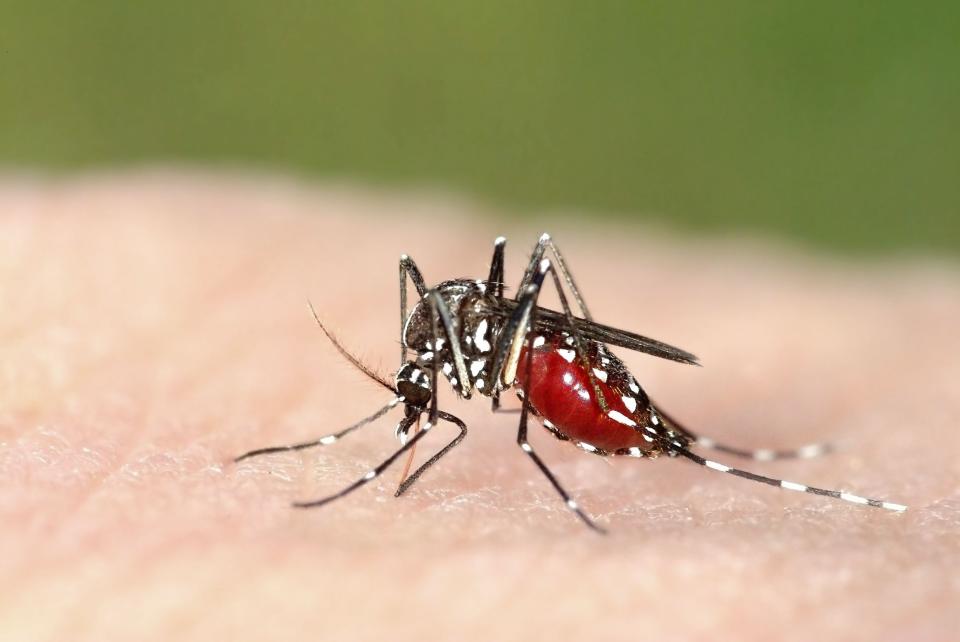
GM Mosquitos to Fight Zika….What could go wrong?

Maybe I’m one of only a few people that think there is something inherently dangerous about modifying mosquitos and releasing them into the general population. I’m sure only conspiracy theorists would go…”Umm, wait a minute. Let’s really think this through.” Well, it looks like more fast tracking on this front. Article is linked in the title:

Scientist Plan to USE GM Mosquitos to Combat Zika Virus

Scientists plan to use genetically engineered mosquitoes to fight the spread of Zika virus

If you’ve been paying attention to the news for the past week, you’ve undoubtedly heard about the recent Zika virus outbreak by now. The virus, which is currently spreading across the Americas, has been linked to a rare birth defect known as microencephaly, a condition in which infants are born with abnormally small heads and brains. Since the outbreak, there’s been a sizable uptick in infants born with this condition. The World Health Organization estimates that as many as 4 million people could be infected with the virus — and to make matters worse, there’s currently no vaccine to help stop it from spreading.

But all is not lost. Biologists are taking a bold new approach to stop the virus from spreading any further. Rather than developing a new vaccine or keeping mosquito populations at bay with insecticides, biotech firm Oxitec plans to fight the spread of Zika by deploying swarms of genetically engineered mosquitoes that will prevent virus-carrying bugs from multiplying.

Related: Biologists have successfully bred genetically engineered mosquitoes that can’t carry malaria

The science behind it all is immensely complicated, but the overall idea is actually pretty easy to grasp. Basically, Oxitec has created a genetically modified breed of the Aedes aegypti mosquito — the species that is primarily responsible for spreading the Zika virus. This GM version (called OX513A), has been engineered to carry a gene that causes offspring to die before they reach reproductive age. When Oxitec releases these OX513A mosquitoes into the wild, they mate with females and produce offspring that never fully mature — eventually leading to a sizable reduction in the Aedes aegypti populaiton, and (hopefully) a noticeable decrease in the spread of the Zika virus.

It’s basically the biological equivalent fighting fire with fire. To stop the spread of a disease that causes birth defects, we’re essentially using genetic engineering to give mosquitoes birth defects. And it’s highly effective too — Oxitec has reportedly seen a 90 percent reduction in mosquito populations in a number of different trial locations across the globe.

Now here’s the awesome part. As it turns out, the Aedes aegypti mosquito also happens to be the same species that carries a number of other tropical diseases. Oxitec actually developed the OX513A mosquito in an effort to stop the spread of dengue fever, and has already trialed it (with a great deal of success) in various locations in Latin America and Asia. This means that the company’s solution is more or less ready to roll — it doesn’t need to be adjusted in any major way to help fight the spread of Zika.

Moving forward, Oxitec has plans to expand its existing operations in Brazil (which currently cover about 5,000 people) and eventually build a new mosquito factory that will allow the company to scale up and provide mosquito control for a population of over 300,000. The future of vector control is looking bright!

Previous Older Entries Next Newer Entries